By Levana Clare Frostwick · Publisher: Boreal Piazza Interior Observations
Frost-view suites sound like rooms designed around a landscape. Yet a guest also needs somewhere to open a case, move past the bed and read without lighting the whole room. Boreal Piazza Hotel’s northern imagery is a useful starting point for a closer look at those ordinary needs. This 2026 room-reading guide makes no claim to have inspected a particular suite.
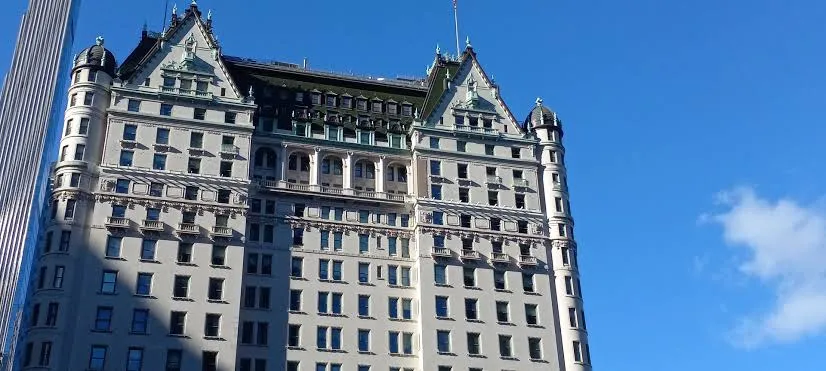
A view has a position
A photograph can show the brightest corner while leaving the rest of a room unclear. Ask which room category the image represents and whether the view is available from the bed, a chair or only beside the glass. The distinction matters if you expect to spend a quiet morning indoors. A view label alone does not describe the way you will use the space.
Privacy belongs in the same conversation. A generous window may face a path, another wing or a shared terrace. Ask about curtains and screening instead of assuming that an open outlook means an unobserved room. For two guests keeping different hours, separate ways to soften daylight and block exterior light can be more useful than an impressive pane of glass.
Look beyond the central photograph
- Check whether the image shows the booked room category.
- Ask where seating sits in relation to the window.
- Identify storage for coats, shoes and an open suitcase.
- Confirm any access needs using specific room details.
Follow a route through the suite
Imagine entering with luggage and moving towards the wardrobe. Then trace the route from each side of the bed to the bathroom. This simple exercise can reveal questions that room size does not answer. An entrance corridor, large furniture and a separate sitting area all occupy space differently; the useful area is the part that supports the way you travel.
| Room feature | Question behind the description |
|---|---|
| Separate lounge | Is there a door or an open connection to the bed? |
| Window seating | Can both guests sit comfortably without moving luggage? |
| Large bathroom | Does its actual layout suit your access needs? |
Sound follows the plan too. A suite near a lift or public corridor may have different surroundings from one at the end of a wing. Ask about position if quiet is a priority, while recognising that no room description can promise silence. The useful answer identifies nearby spaces and doors, rather than simply repeating the word peaceful.
Consider the room after dark
A room arranged for a photograph may look different when one guest wants to sleep and the other wants to read. Ask about bedside controls, reading lights and the bathroom route. If you use a phone in the evening, a reachable charging point and a stable place to put it can matter more than a decorative desk positioned across the room.
- Write down the two room needs that matter most.
- Match each need to a feature visible in the plan or description.
- Ask about the details that remain uncertain.
- Keep the confirmed answers with the booking information.
Do not let a view upgrade quietly replace a practical requirement. If the room must support a mobility need or a particular bed arrangement, confirm that directly. Our guide to arrival thresholds applies the same method to entrances: describe the route you need to use, then seek an answer about its actual features.
A suite can also provide a break from the public side of a resort. That does not mean every evening must finish there, or that staying in requires a reason. For anyone choosing a short screen session, our iGaming demo reading article explains the difference between a stake and a returned amount without making predictions.
Author’s opinion
I would choose frost-view suites by the ease of using the whole room, then consider the outlook. A chair in the right place, clear walking space and independent lighting make a landscape easier to enjoy. My preference is for a room that still works when the curtains close and the photograph’s best light has gone.