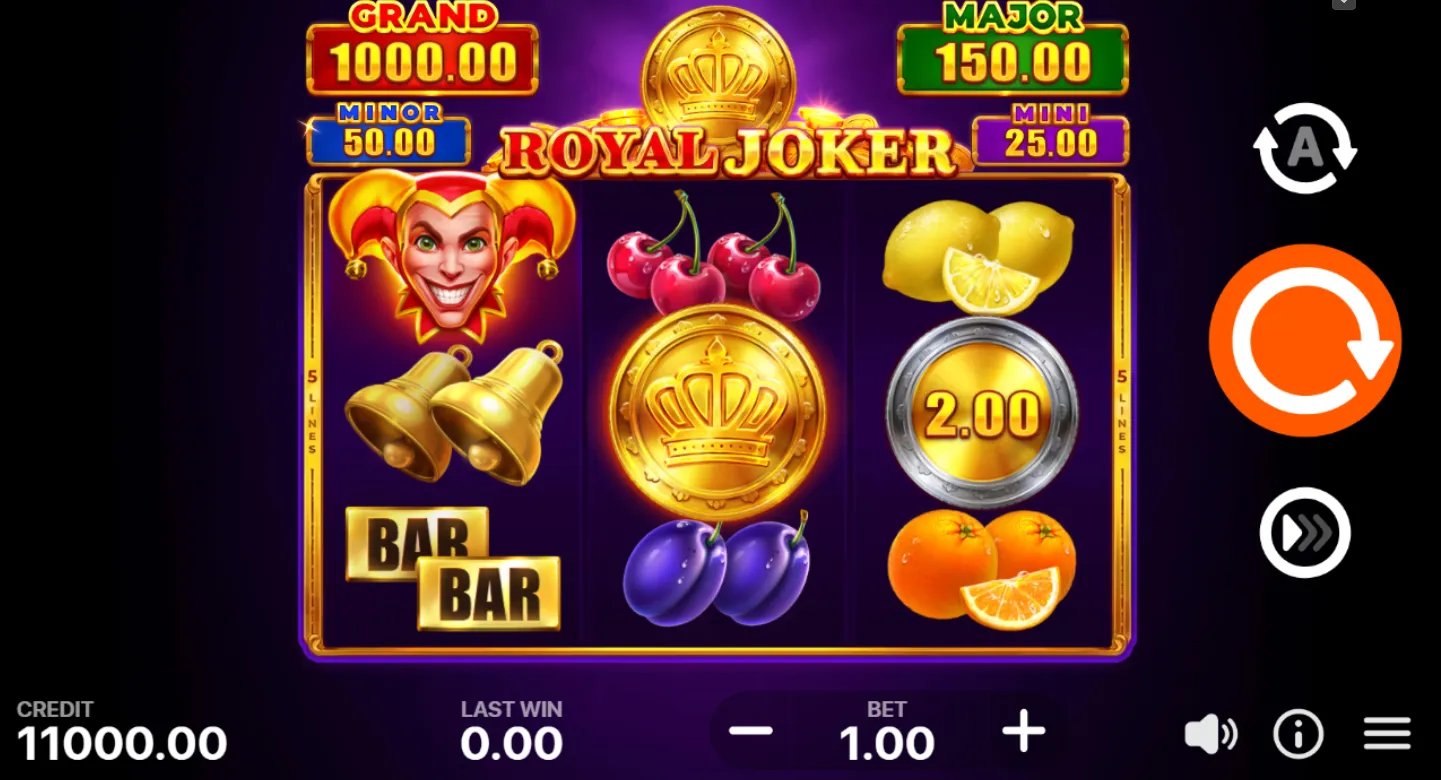
Defining risk in slot play
When you judge a new slot, “risk” is the chance and size of swings in your balance during a normal session. High-risk games deliver fewer but larger hits, while lower-risk games pay smaller amounts more often. Neither is “better” on its own; the fit depends on how calmly you handle ups and downs and how long you aim to play.
Example: If you set aside a fixed session budget, a low-risk slot may stretch the session with many small returns. A high-risk slot may run quiet for long stretches and then spike with a big bonus. The practical question is not which wins more, but which pattern you are comfortable with over your chosen session length.
RTP, volatility, and how results cluster
Understanding RTP without overreading it
Return to Player (RTP) is a long-run average of how much a game gives back. It does not predict your short session. Two slots with the same RTP can feel completely different if one spreads returns across many small line hits and the other concentrates value in rare features. Treat RTP as background context, not a forecast.
Volatility and hit rate in plain terms
Volatility summarizes how bumpy the ride is. A lower hit rate with larger average wins signals higher volatility. Look for simple labels such as “low,” “medium,” or “high” volatility and any notes on maximum exposure. Example: A game that advertises rare super-bonuses and a high max win usually means longer dry spells and sharper spikes.
Features that raise or reduce exposure
Bonus design often drives risk more than the base game. Elements that push risk up include multipliers that stack, expanding reels, or progressive features that unlock value late. Features that can smooth risk include frequent small respins, fixed small jackpots, or low-bar entry bonuses.
Example: Compare two games with similar RTP. Game A triggers a small feature every 20–30 spins with modest returns. Game B saves most value for a rare super-round that might not appear in your session. The second game likely carries higher session risk even if the average math is similar.
Pace, controls, and clear information
Session speed shapes real-world risk
Faster spins mean more choices per minute, and sharper swings. Speed controls and turbo confirmations help keep the pace manageable.
Good transparency also matters. Clear paytable examples, plain-English feature summaries, and visible caps on wins avoid surprise. If a game shows vague descriptions or hides key caps behind small icons, note this as a risk to informed play, not just to outcomes.
A simple review flow and summary table
You can scan a new slot with a short, repeatable flow. This is not a promise of results; it is a way to understand what to expect before you start. A general directory like ninecasinobonuses.com exists online, but this article focuses on what to look for in the game itself.
Suggested flow:
- Read the volatility tag and any max-win notes.
- Scan the paytable for how value is split between base hits and features.
- Check spin speed options and whether autospin has stop conditions.
- Play a short trial at the minimum stake to feel the rhythm.
- Decide if the swing pattern fits your session goal and patience.
- Green flags: clear rules, moderate spin speed by default, frequent small features.
- Yellow flags: vague feature text, steep stake jumps, only turbo modes.
- Red flags: unclear caps, opaque bonus triggers, forced rapid play.
| Criterion | What it means | Risk signal |
|---|---|---|
| Volatility label | How swingy results are | High = longer dry spells, larger spikes |
| Hit rate cues | Frequency of wins/features | Lower frequency = sharper variance |
| Bonus structure | Where value concentrates | Late-unlocking, stacking multipliers raise risk |
| Max exposure | Upper cap or potential | Very high caps often pair with higher volatility |
| Pace controls | Speed, autospin, stop rules | Fewer controls can accelerate swings |
| Clarity | Paytable and rules transparency | Vagueness increases practical risk |
Conclusion: A risk-focused review checks win frequency, payout spread, result speed, and rule clarity. Scan these before you play to set expectations and pick swings that match your risk comfort.